Hiking Guides
Clear hiking guides that explain trail difficulty, elevation, weather, water and packing without assuming you already know the jargon.
 Elevation gain explained: what the number actually means
Learn why two hikes with the same distance can feel completely different, and how to read elevation gain before choosing a trail.
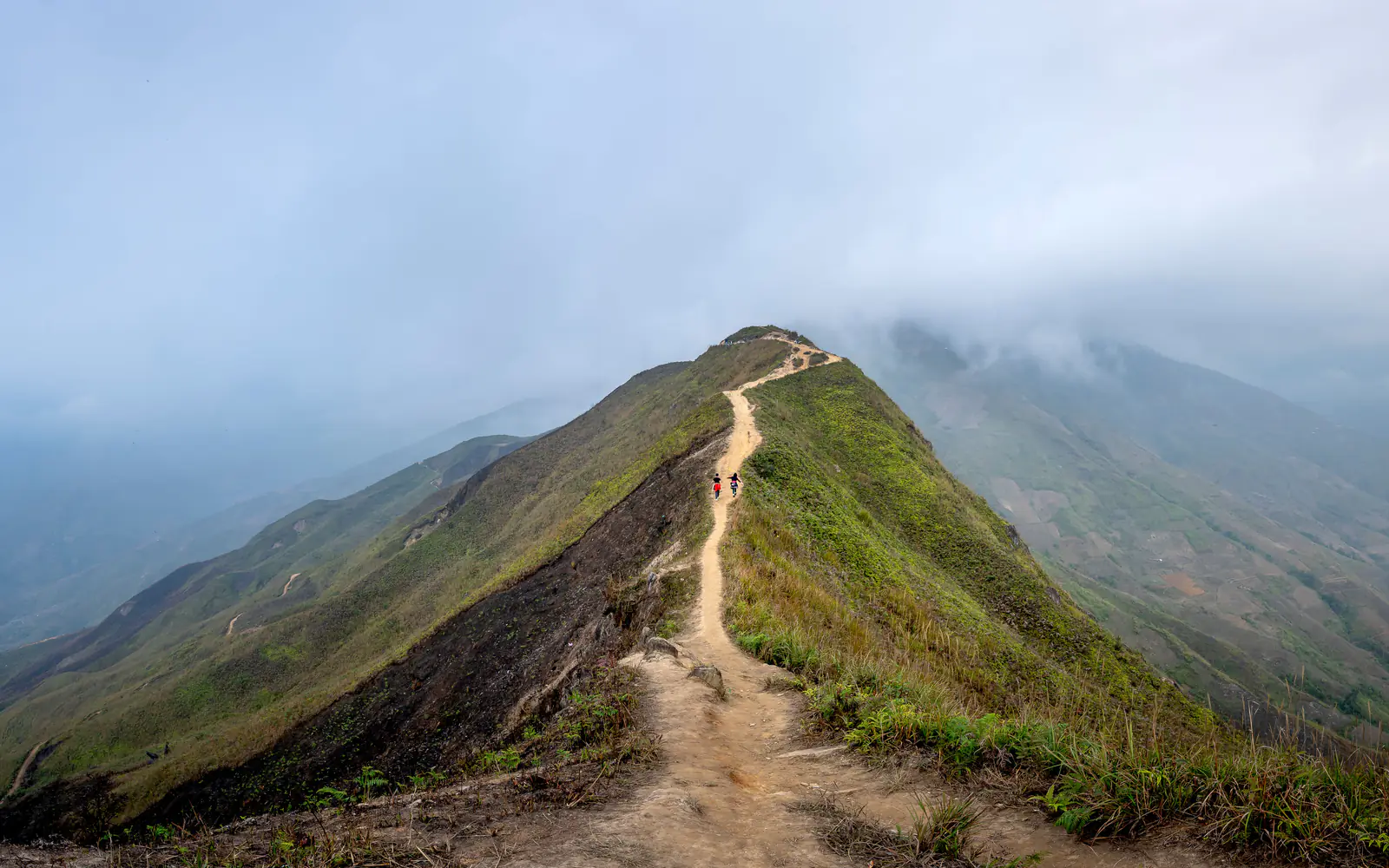 Hiking difficulty explained without the jargon
Difficulty is more than distance. Understand the combination of terrain, exposure, climbing, navigation and conditions that makes a hike easy or serious.
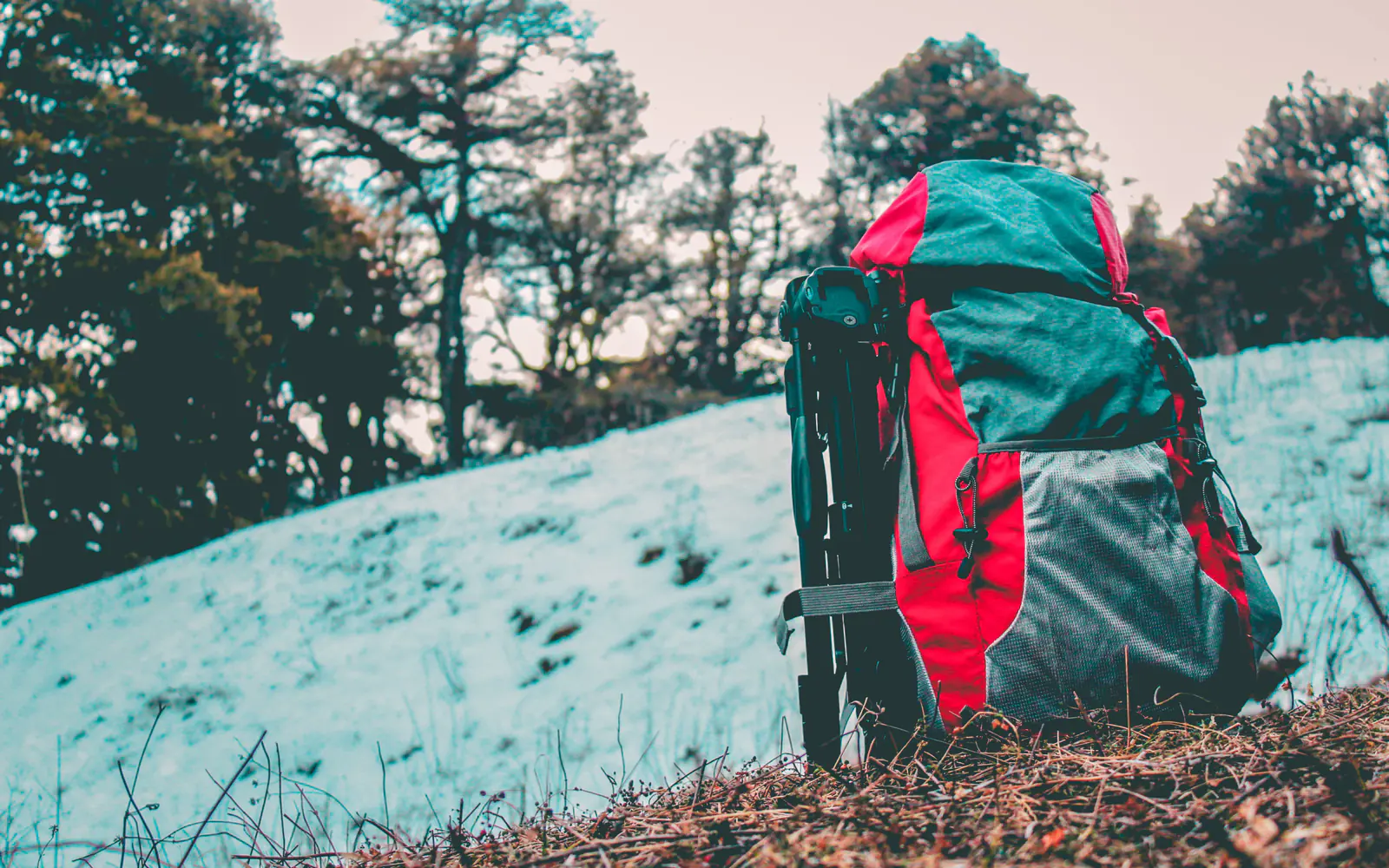 What to pack for a day hike
A practical framework for building a day-hike kit around the trail, weather and consequences instead of copying one universal packing list.
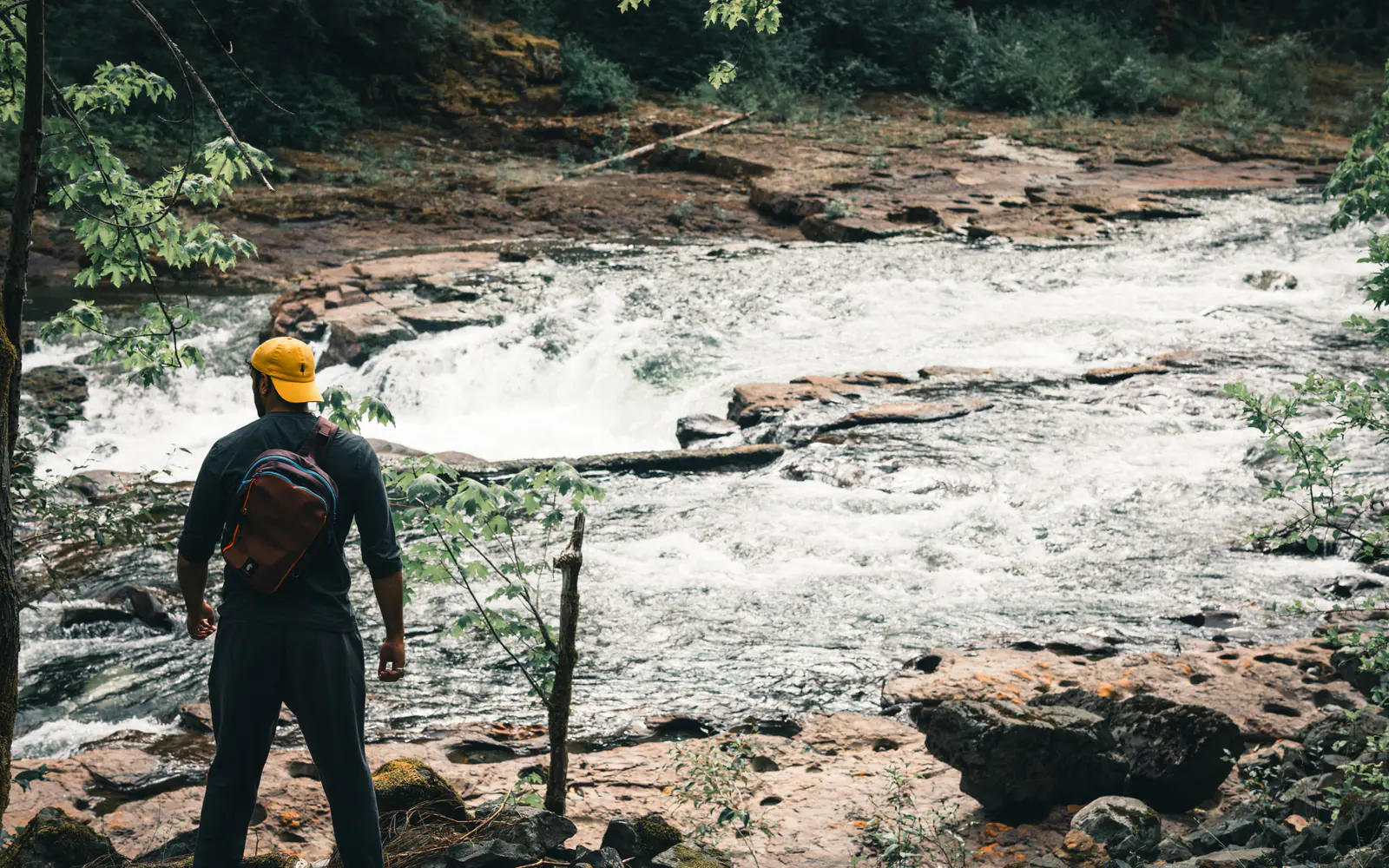 Water planning for hikes: carry, refill and uncertainty
Plan water around weather, effort, reliable refill points and uncertainty rather than relying on one litres-per-hour rule.
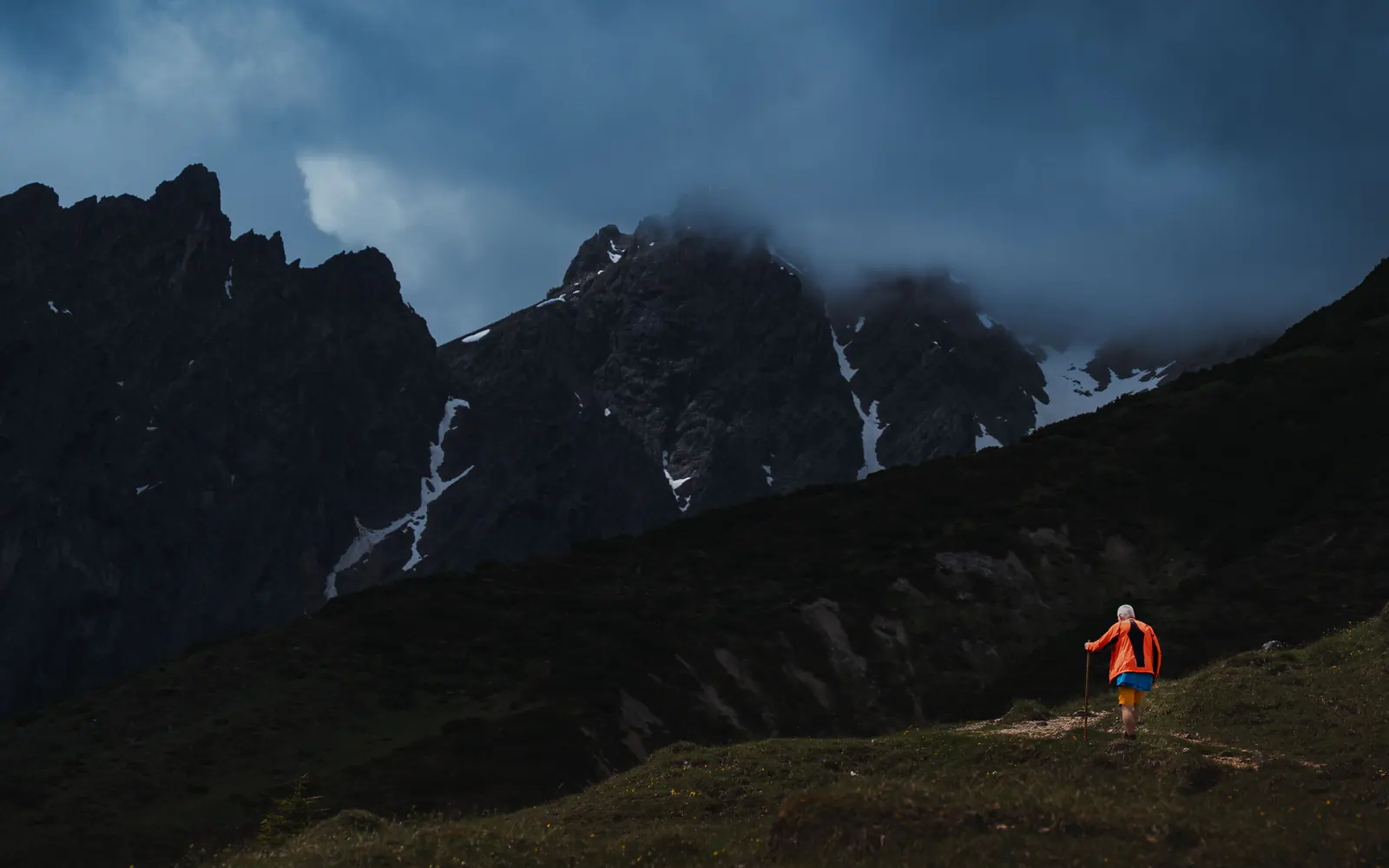 Mountain weather: what to check before you commit
Use forecasts as decision inputs, not decoration. Learn which parts of a forecast can materially change a hiking plan.
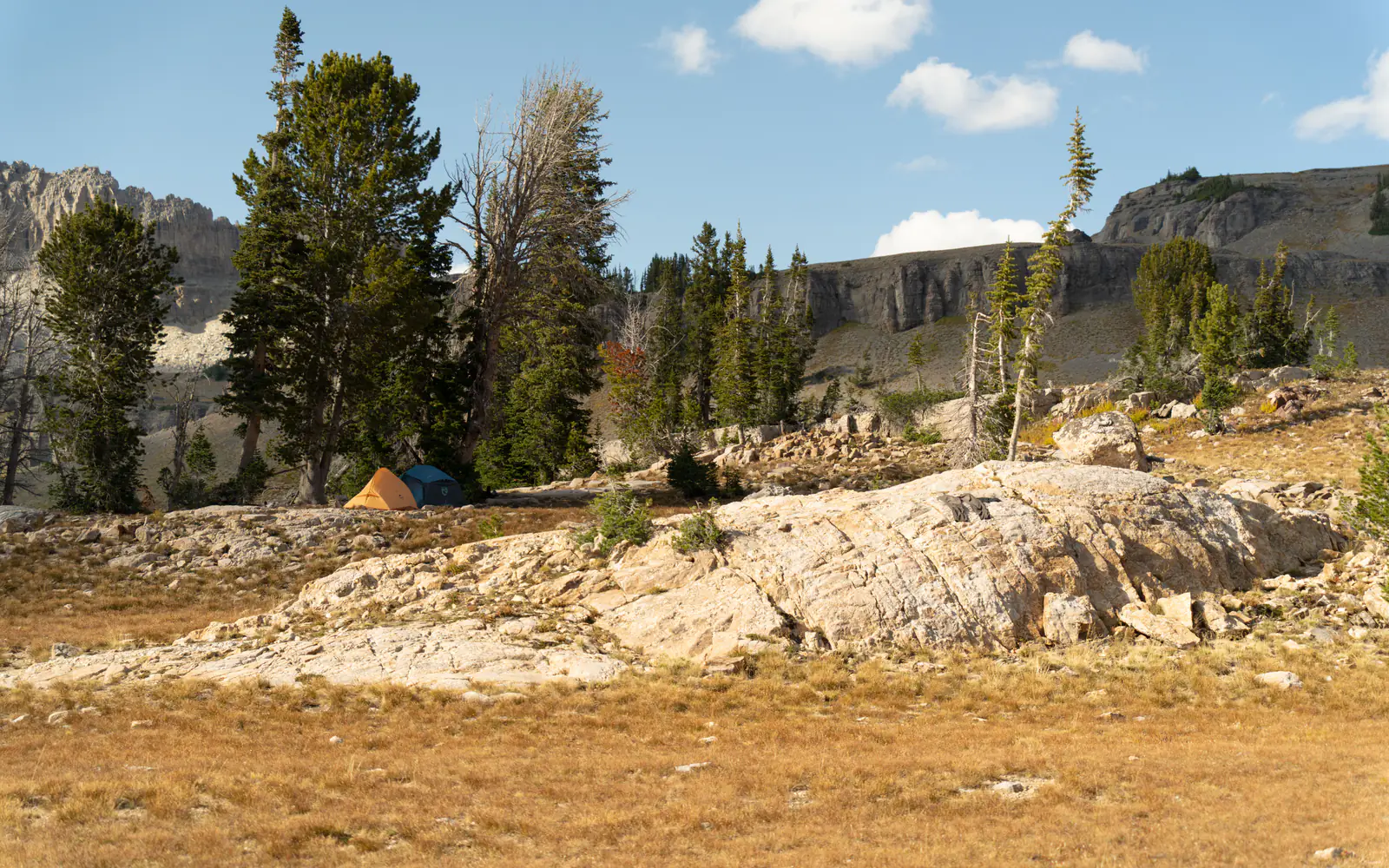 Planning your first multi-day hike
Move from day hikes to a multi-day trip by planning recovery, shelter, food, water and bailout options before obsessing over route complexity.
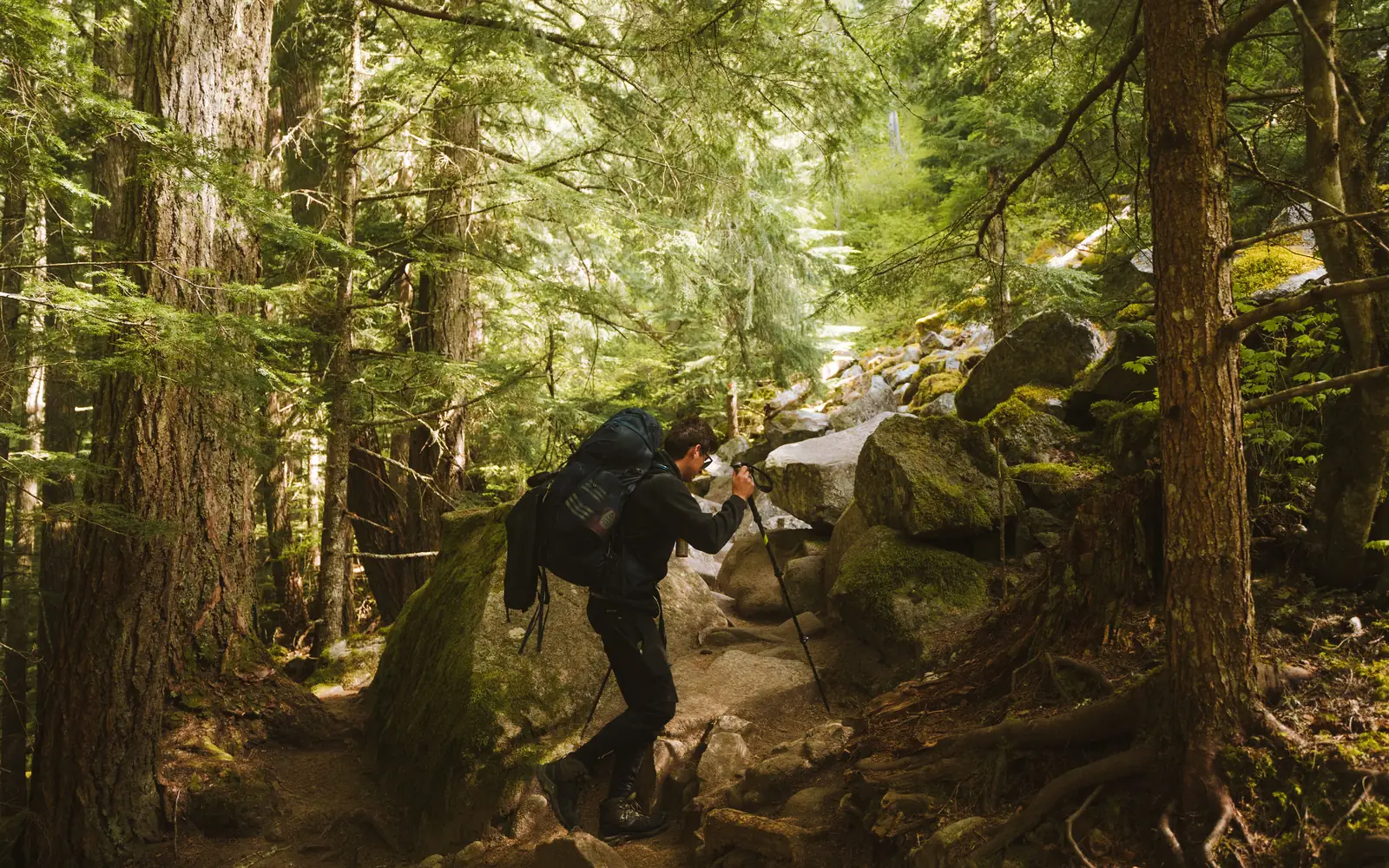 How to start hiking: your first real hike
Move from casual walks to your first real hike by choosing a forgiving route and making calm, practical decisions before you set off.
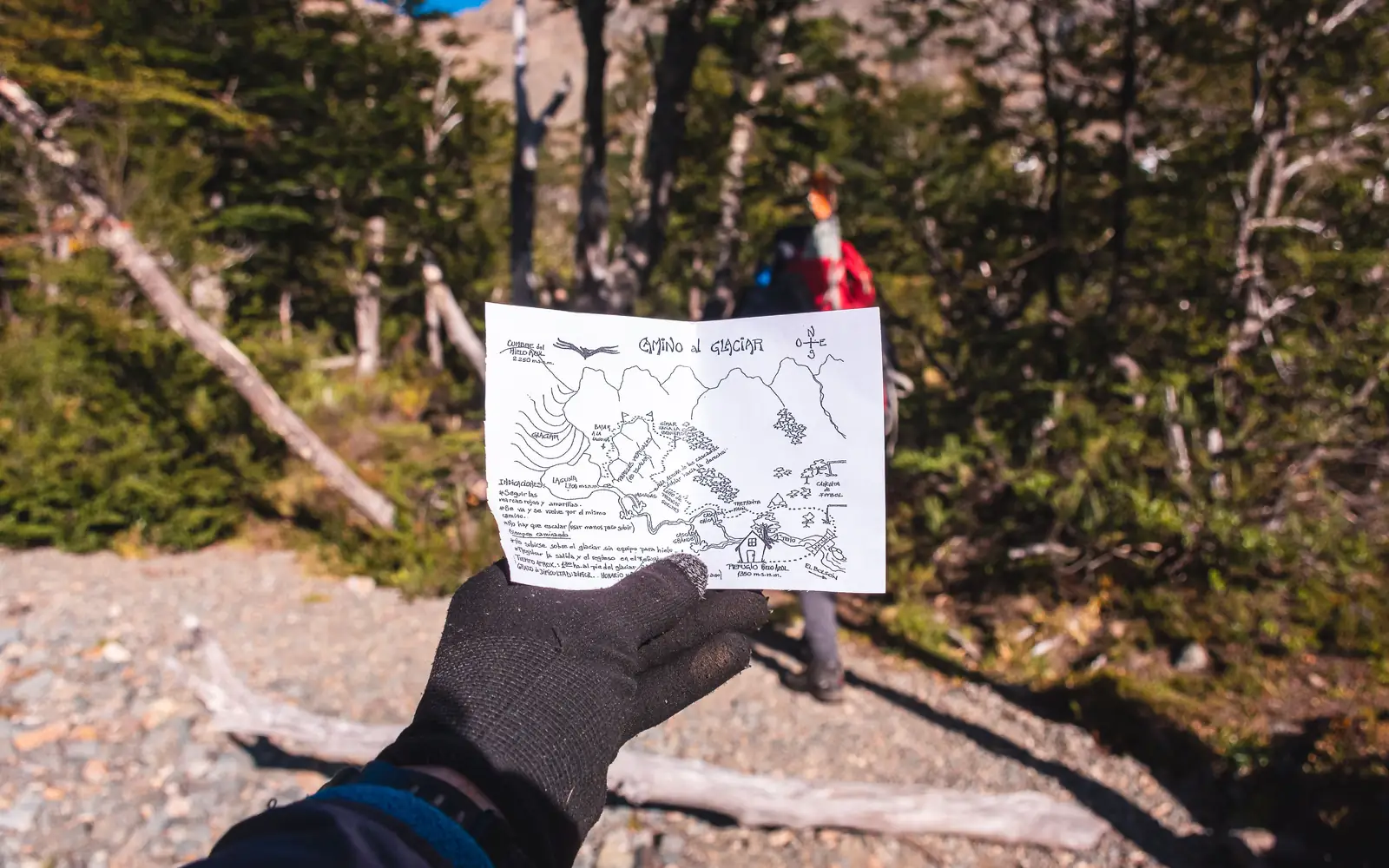 Hiking navigation basics: know where you are and where you are going
Build the steady habits that keep a route understandable: preview it, notice progress, check position early and respond calmly when something no longer fits.
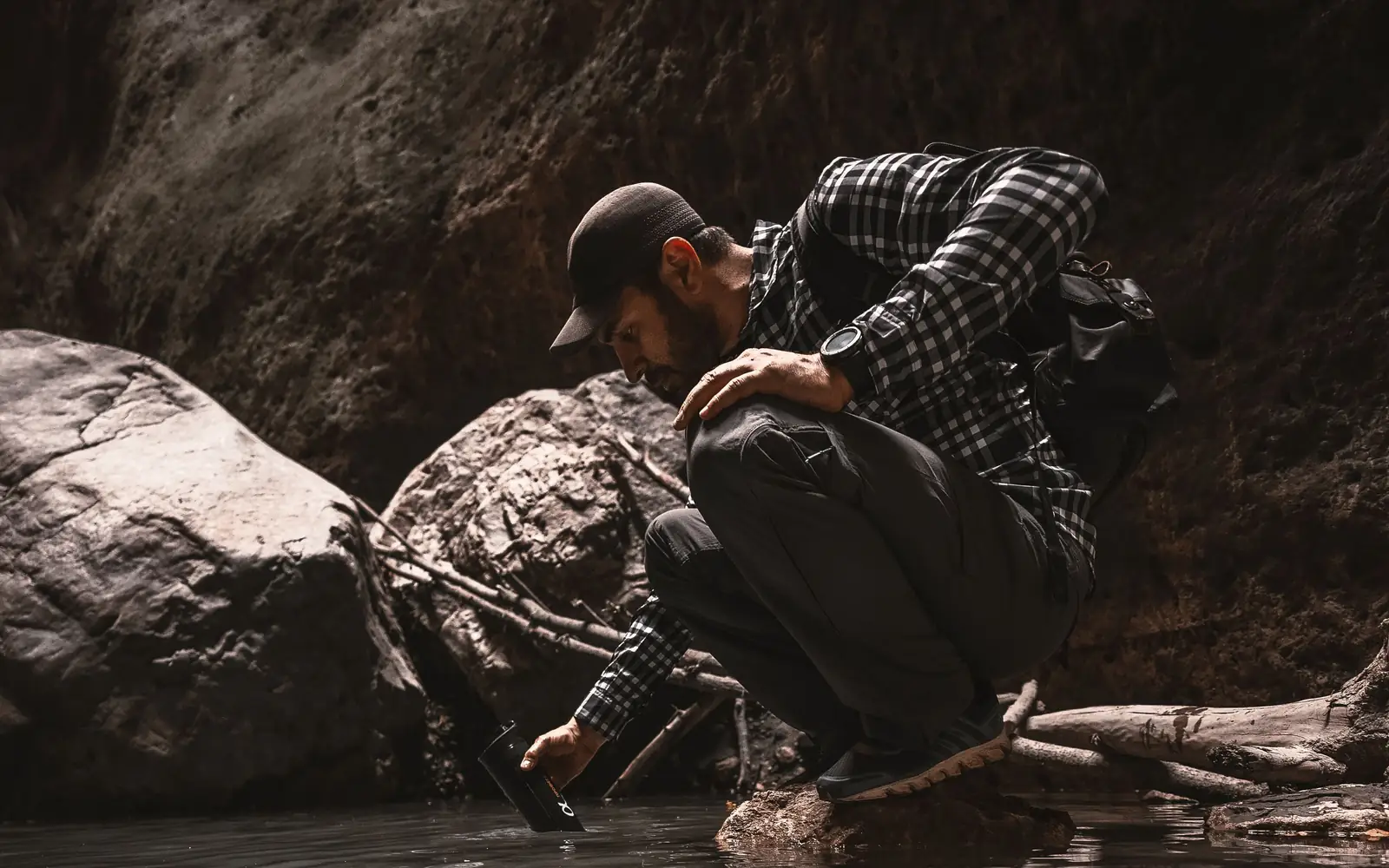 How to treat water while hiking: filters, purification and boiling
Understand when surface water needs treatment and what filtering, disinfection and boiling can—and cannot—do before you rely on a source.
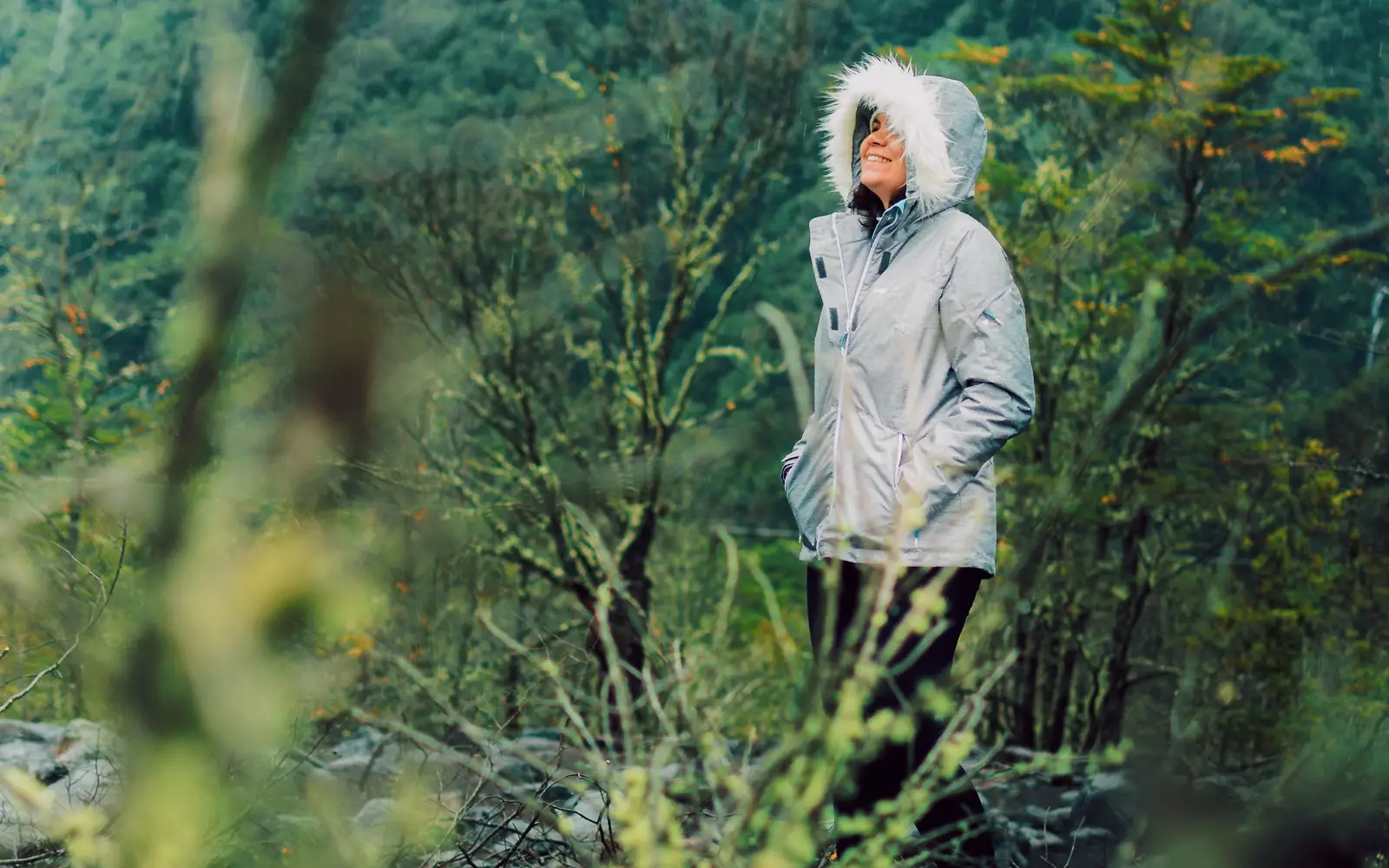 Hiking layers explained: how to dress for changing conditions
Use layers as a flexible temperature-management system shaped by effort, wind, rain, exposure and the moment you stop moving.
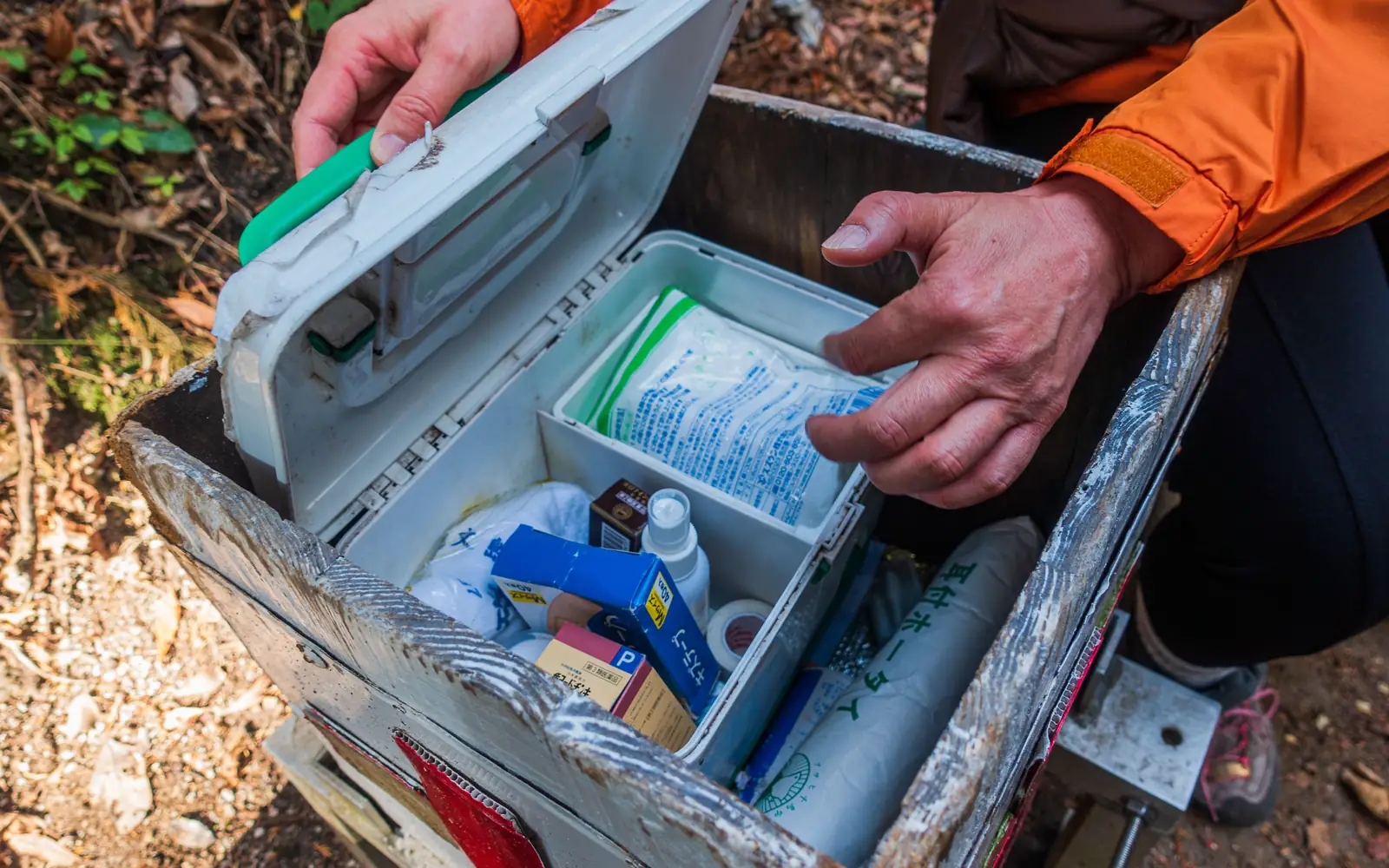 Hiking first aid and emergency planning: what actually matters
Prepare for the small problems you can manage and the larger situations you need to recognise, communicate and hand over to appropriate help.
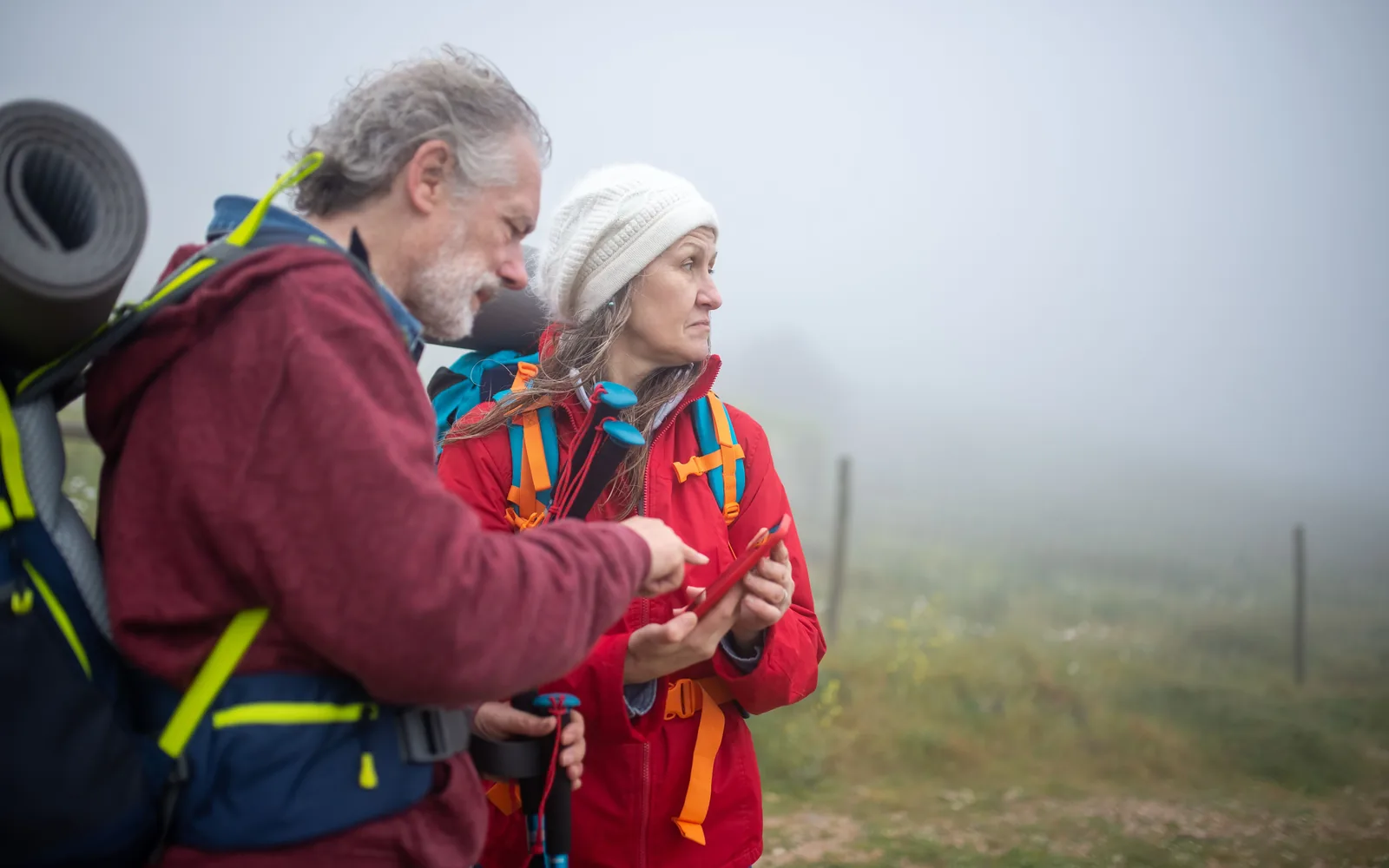 Offline maps for hiking: what to save before you lose signal
Use offline maps as a practical navigation layer: prepare the right area, keep power in reserve and carry a backup that matches the consequence of getting lost.
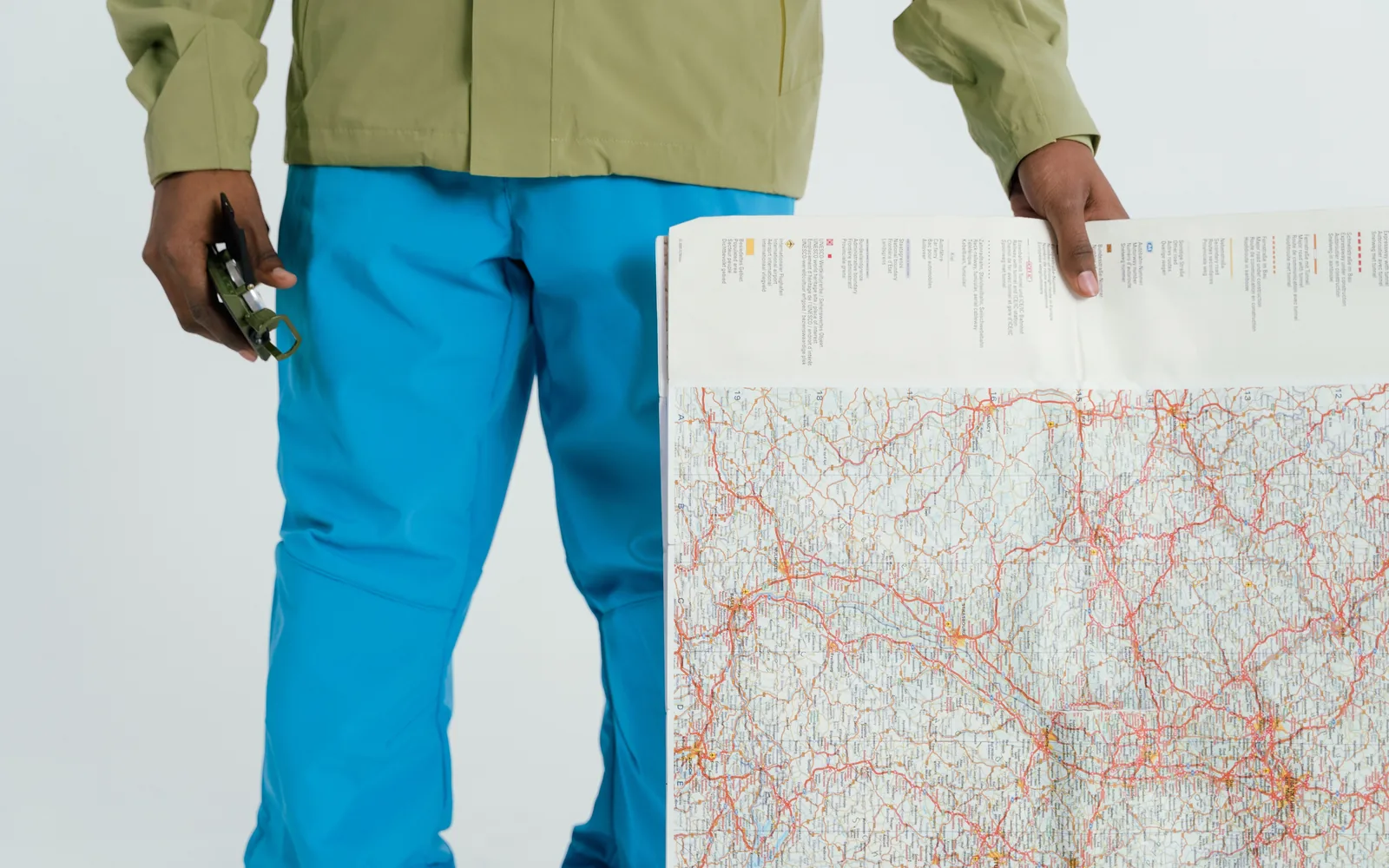 Map and compass basics for hikers: the skills worth learning
Learn the limited, practical map-and-compass skills that help you stay oriented and notice a problem early—without pretending a guide replaces field practice.
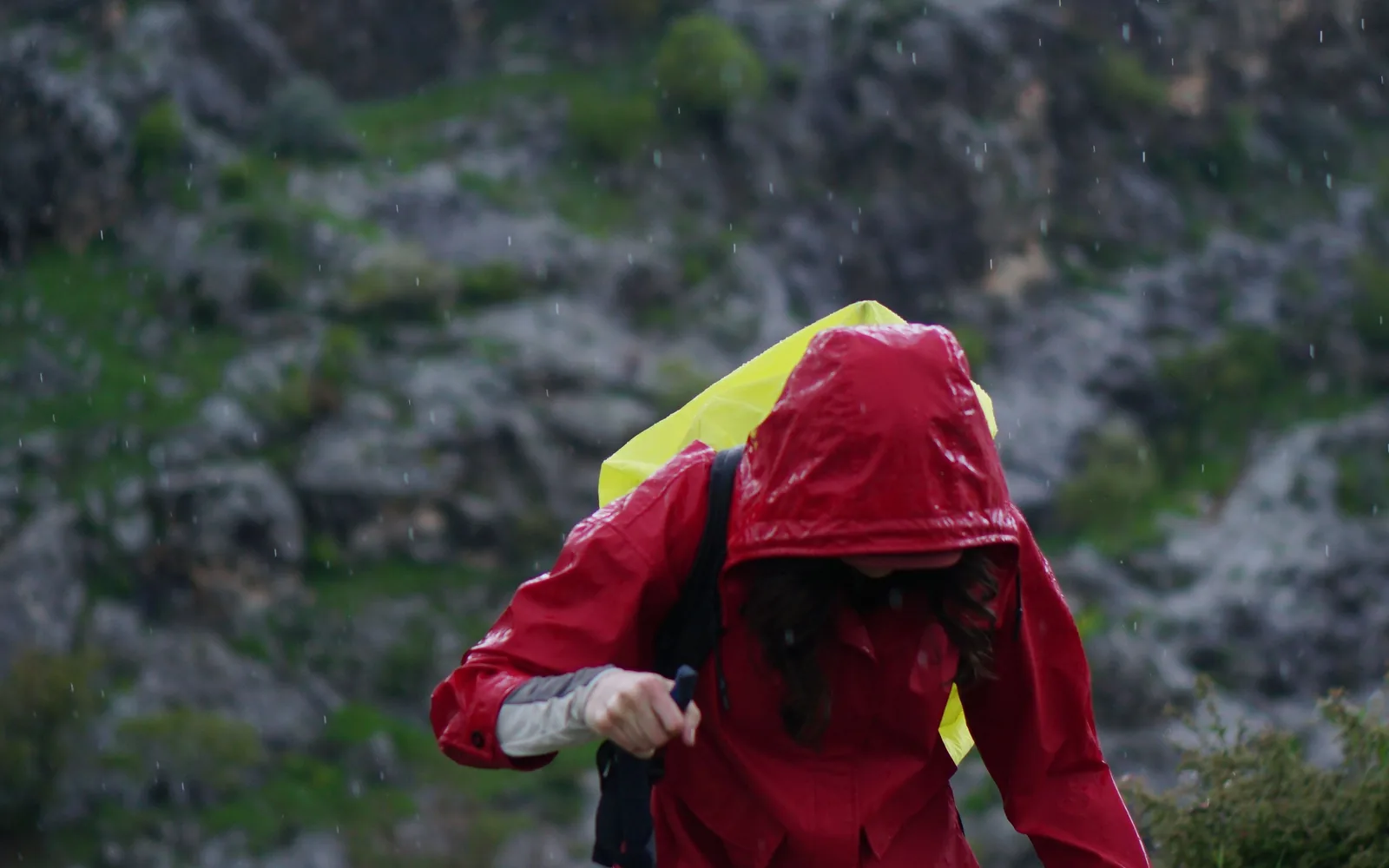 How to read a hiking weather forecast before you commit
Turn a forecast into route decisions by reading timing, elevation, wind, visibility and official alerts instead of relying on one daily icon.
 Thunderstorms and lightning while hiking: when to change the plan
Use official lightning guidance to plan around thunderstorms, leave exposed terrain early and make a clear group decision when thunder is heard.
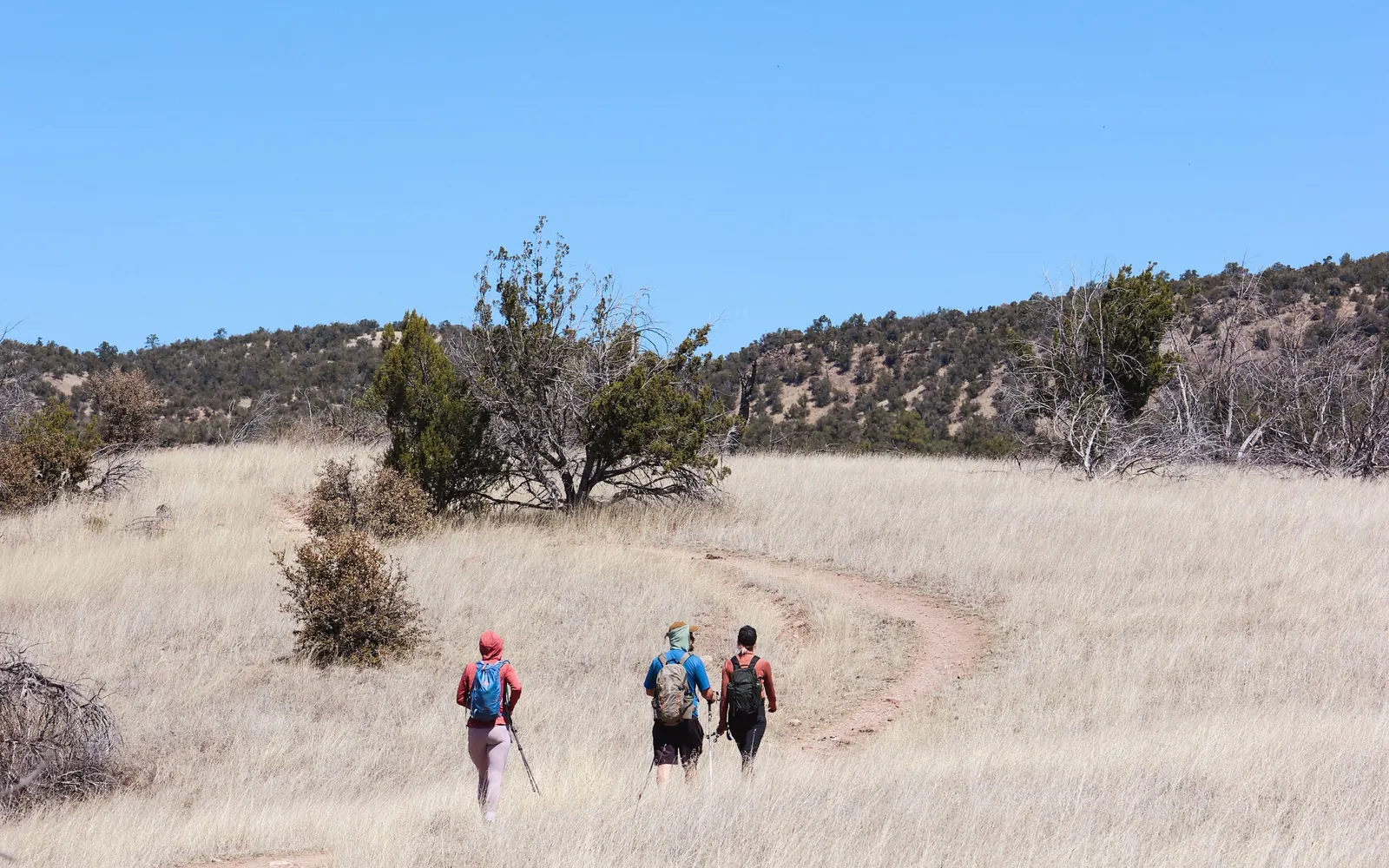 Hot-weather hiking: how heat changes your route plan
Plan hot-weather hikes around exposure, humidity, effort, water and turnaround options rather than treating a temperature forecast as the whole story.
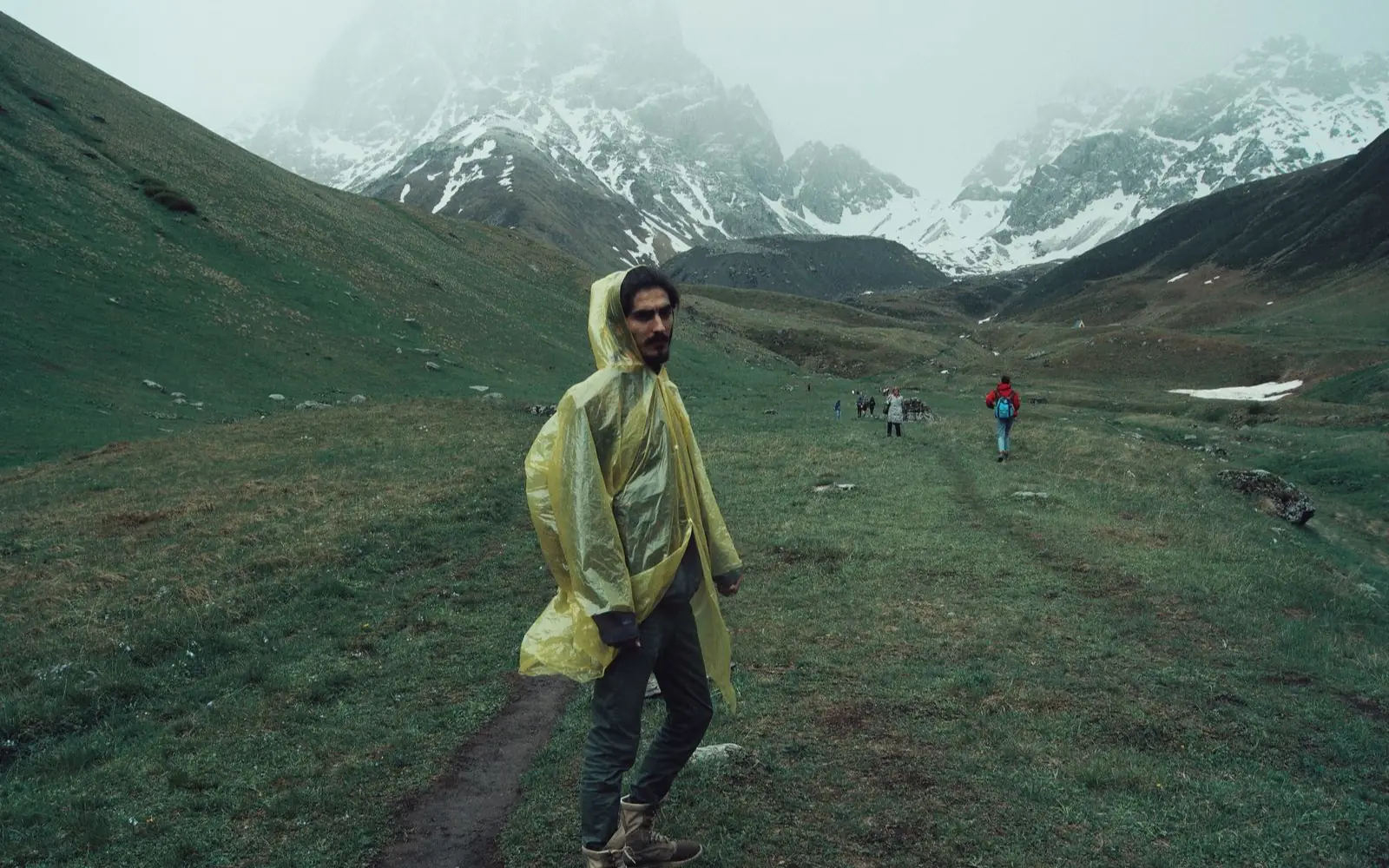 Cold and wet weather hiking: how to stay warm when conditions turn
Use rain, wind, wet clothing and route exposure together to decide what to wear, when to turn around and when an easier plan is wiser.
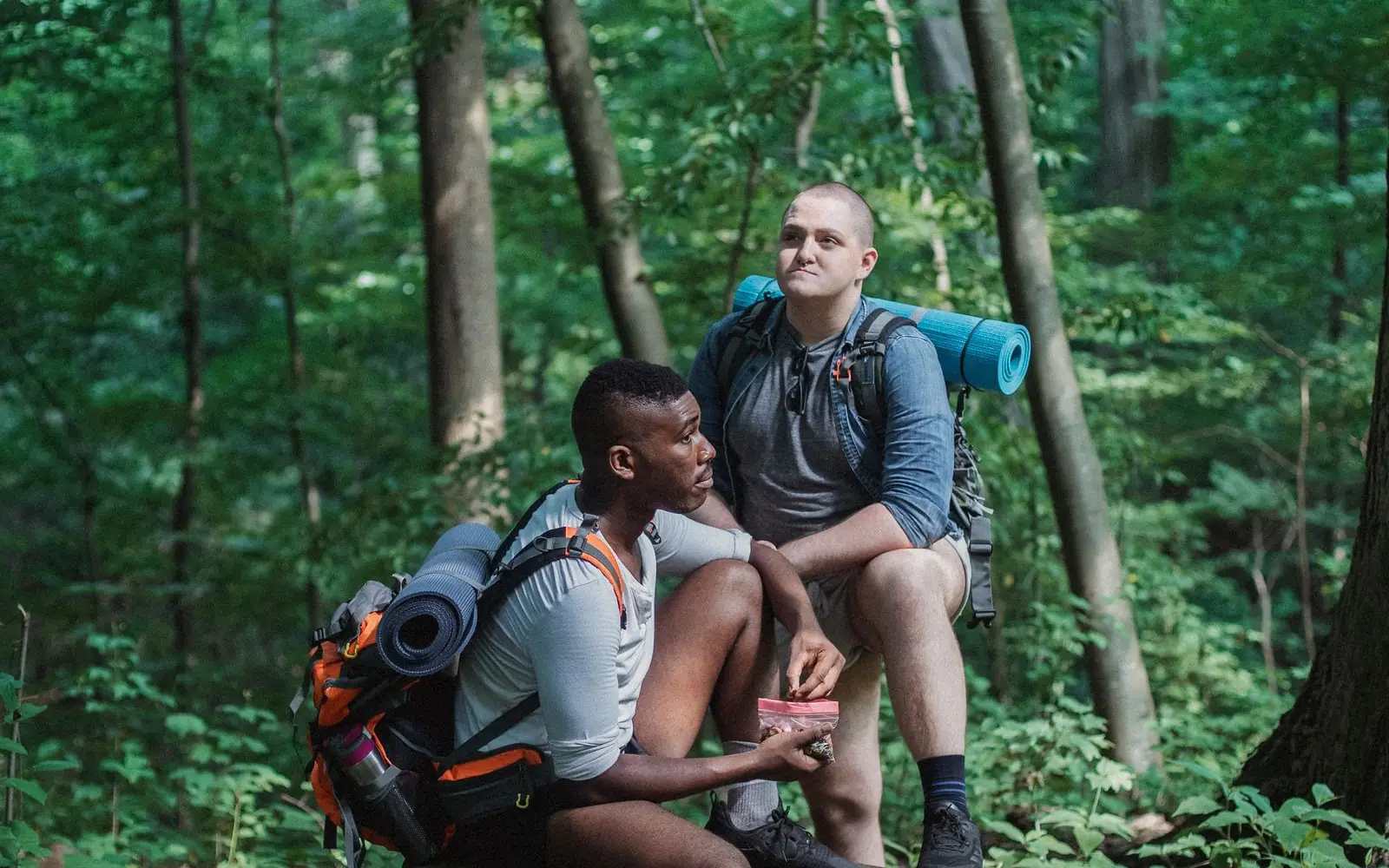 Food for long hikes: how to fuel without overpacking
Plan practical, familiar food for longer hiking days around duration, effort, conditions and your own tolerance—without turning the trail into a nutrition formula.
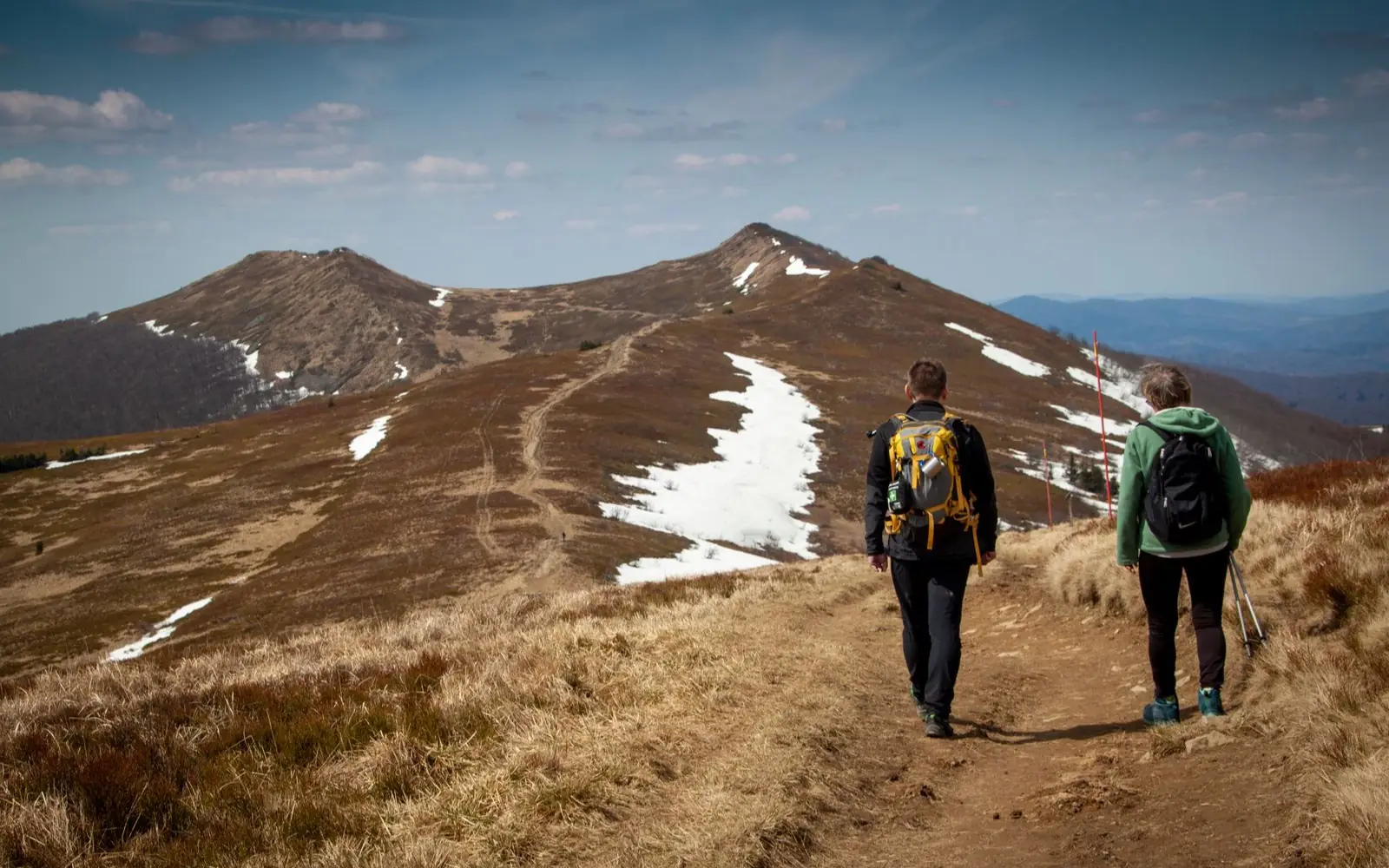 How to pace a long hike without burning out early
Set a sustainable pace around climbing, terrain, daylight, weather and the group so a long hike still has a safe way home.
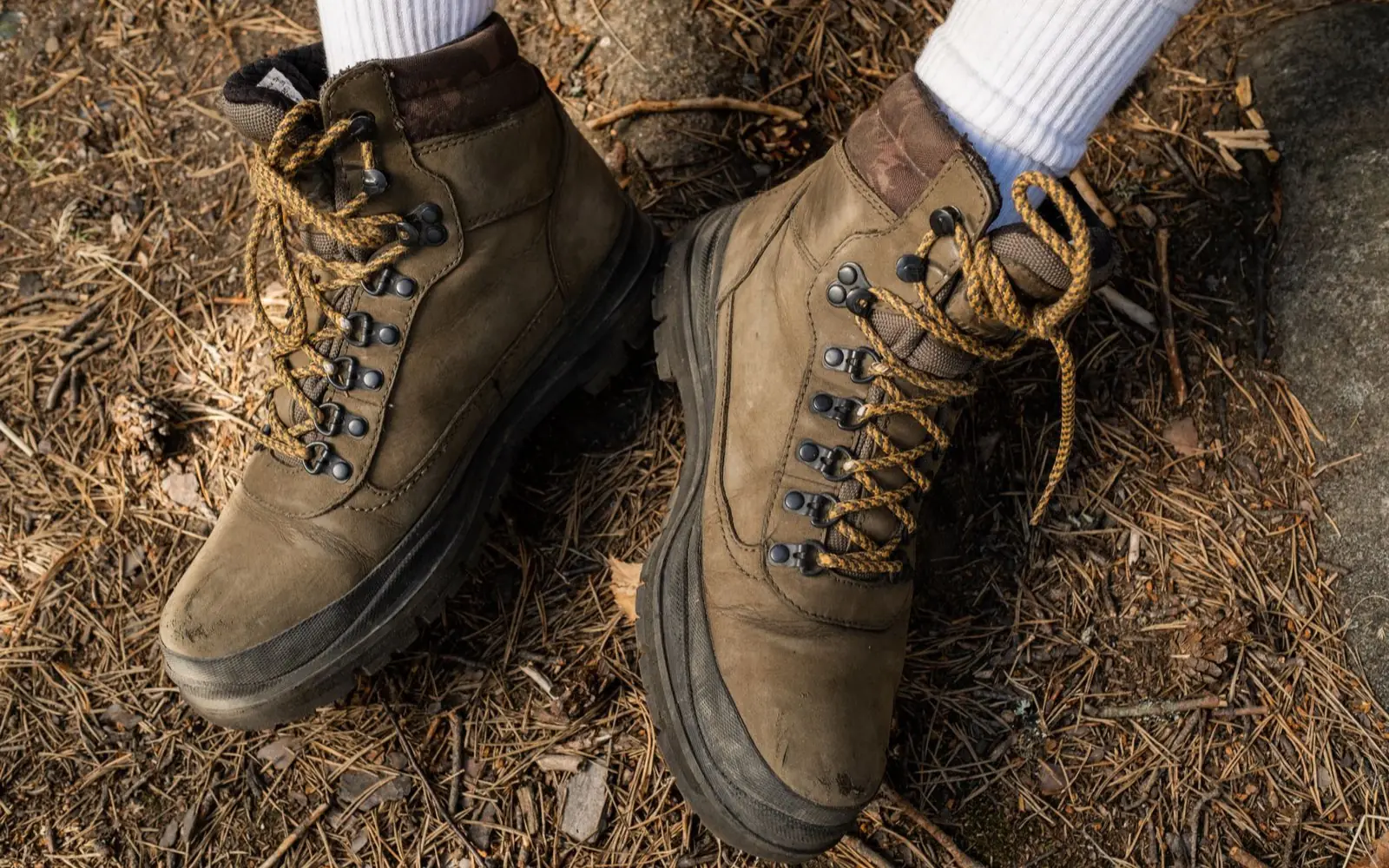 Hiking boots, shoes or trail runners: how to choose for the route
Choose footwear by terrain, weather, load, fit and your own experience instead of treating boots and trail runners as opposing teams.
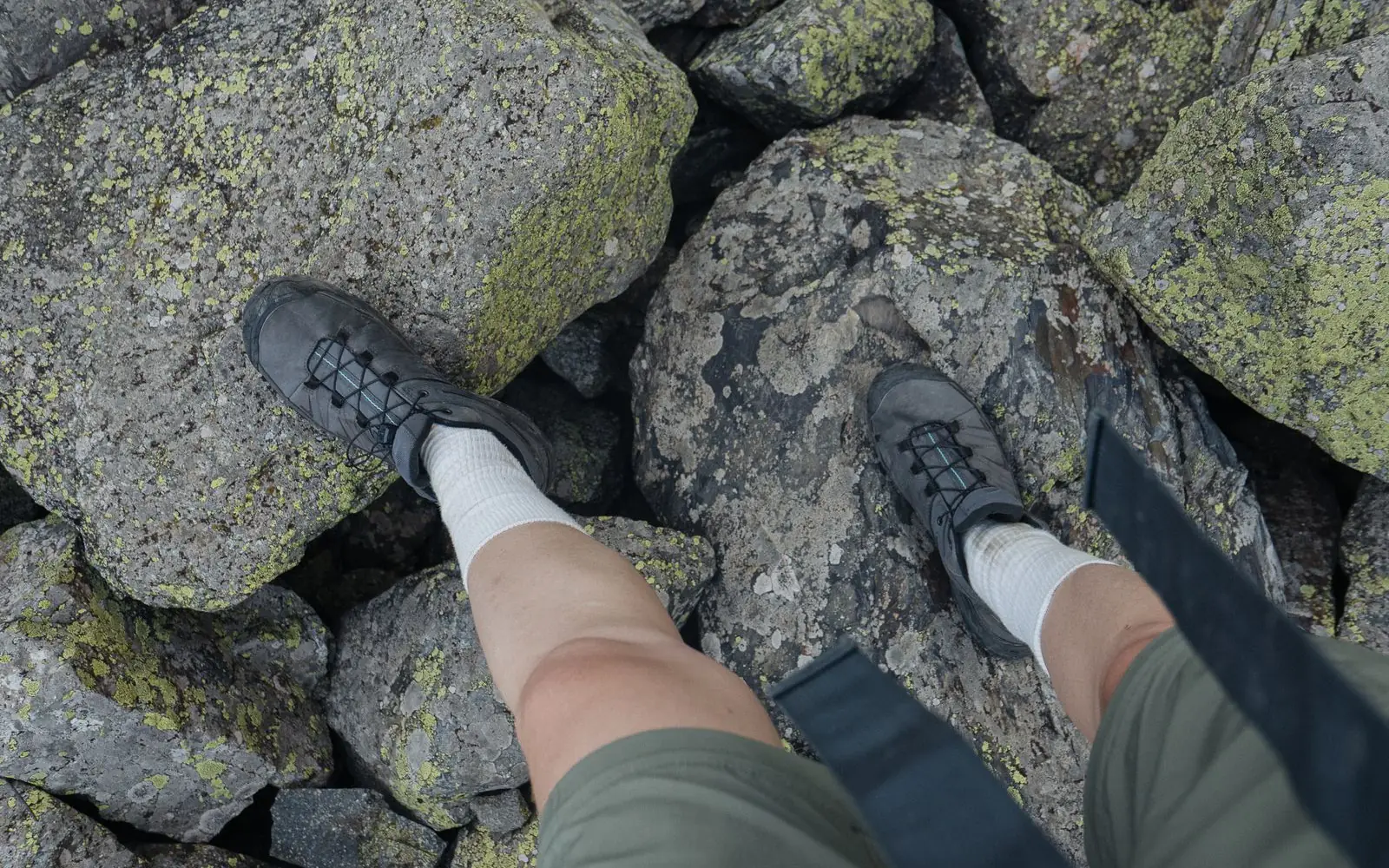 How to prevent hiking blisters before they ruin the day
Catch friction, moisture and poor fit early so a small hotspot does not take over a long hiking day.